
In recent years, vegan and vegetarian lifestyles have become increasingly popular worldwide as many consider these diets more natural, ethical, sustainable, and satisfying.
Vegans abstain from foods and products derived from animals, including meat, fish, dairy products, eggs, and honey. In addition, since many medications, pharma products, and drugs on the market contain ingredients derived from animals or have been tested on animals, most vegans choose not to use them unless it is a matter of life and death.
This post aims to examine LSD and answer the question, Is LSD vegan? If you wonder if using LSD is ethical for vegans, keep reading to learn more.
What Is LSD Made Of?

LSD, or lysergic acid diethylamide, is a chemical compound initially synthesized from ergot (Claviceps purpurea) – a fungus often found on rye.
Ergot is a fungus that interacts with different species, such as rye, barley, and wheat. The fungi take the plant’s nutrients and maintain mutualist relations with it. In exchange for the nutrients, ergot protects the plant from dangers caused by animals or insects.
Albert Hoffman’s discovery of LSD derived from his interest in the cognitive effects of ergot alkaloids. He accidentally discovered LSD while researching ergot in Sandoz’s laboratory. Since then, the drug has been synthesized in modern laboratories with medications extracted from the ergot fungus, such as ergometrine or ergotamine tartrate.
LSD is entirely plant-based, making it suitable for vegetarians and vegans.
Are All Psychedelic Drugs Vegan or Vegetarian?
So far, we have only mentioned the ingredients of LSD, which seem to be suitable for plant-based diets. But what about other drugs? Are all psychedelics suitable for vegans?
Some of the most popular psychedelic substances are psilocybin, LSD, DMT, mescaline, and ibogaine. These psychedelics mostly come from plant sources. Let’s examine each substance’s ingredients and see if it’s vegan.
Are Psilocybin Magic Mushrooms Vegan?

The substance psilocybin is extracted from mushroom species, such as Psilocybe cubensis, Psilocybe mexicana, Psilocybe azurescens, and many more. Since the substance is derived from mushrooms, psilocybin magic mushrooms are entirely vegan.
Learn more about psilocybin magic mushrooms!
Is Mescaline (Peyote, San Pedro) Vegan?

Mescaline is a psychoactive substance derived from cacti Peyote and San Pedro plants. Therefore, mescaline is also a psychedelic suitable for vegan and vegetarian diets.
Learn more about Peyote, San Pedro, and mescaline.
Is Ibogaine Vegan?

Ibogaine is found in the root bark of the plant Tabernanthe iboga and is also known as a psychoactive substance. Therefore, ibogaine is also a plant-based substance and suitable for vegans.
Learn more about iboga and ibogaine.
Is DMT (N, N-Dimethyltryptamine) Ayahuasca Vegan?

DMT (N, N-Dimethyltryptamine) is derived from plants such as Psychotria viridis and Mimosa hostilis. Therefore, it is entirely plant-based.
Learn more about DMT (N, N-Dimethyltryptamine).
Exception: Psychoactive Frogs and Toads

Classical psychedelic substances do not include any type of animal product; however, there is one notable exception: all mainstream psychedelics are vegan, except for 5-MeO DMT and Kambô, which are found in psychoactive toads and frogs.
5-Meo DMT Toads
The Colorado River Toad (Bufo alvarius), the so-called, is an animal found in Mexico and the southwest United States. The members of this species have toxicity within their skin, and these toxins have a psychoactive impact on humans. These animals can produce the chemical DMT and Bufotenin in their glands. These toads are often used in ritual settings in Southern Mexico. The synonyms; Incilius alvarius, Bufo alvarius, Ollotis alvaria, Sonoran Desert Toad, and Bufo Toad are often used to indicate The Colorado River Toad.
Kambô Tree Frogs
Kambô (Phyllomedusa bicolor) is a tree frog found in Amazon forests. They are also known as the giant leaf or monkey frog. Although Kambô is not a psychoactive toad, it has been used traditionally in indigenous ceremonies. The frog naturally secretes a poison to protect and defend itself from other creatures. In ritual settings, this poison is used to heal and cleanse the body of all toxins.
Can Vegetarians Use 5-MeO DMT and Kambô?
Overall, the psychoactive substance and poison derived from these frogs might not be proper for a vegan-based diet. It is also worth mentioning that even though frogs are not endangered during this process, they are put in a high-stress environment beforehand, especially in the case of Kambô. Thus, if the process of extracting 5-MeO DMT and Kambô is done in a humane way, it might be acceptable to vegetarians.
Ethical and Religious Perspectives on Psychedelics

As we mentioned, many psychedelic substances are derived from plants or fungi. However, there is another perspective to consider. Beyond their ingredients, there are ethical discussions regarding these substances, such as the experiments carried out in laboratories, how they are produced, and how different religions perceive them.
LSD and Animal Testing
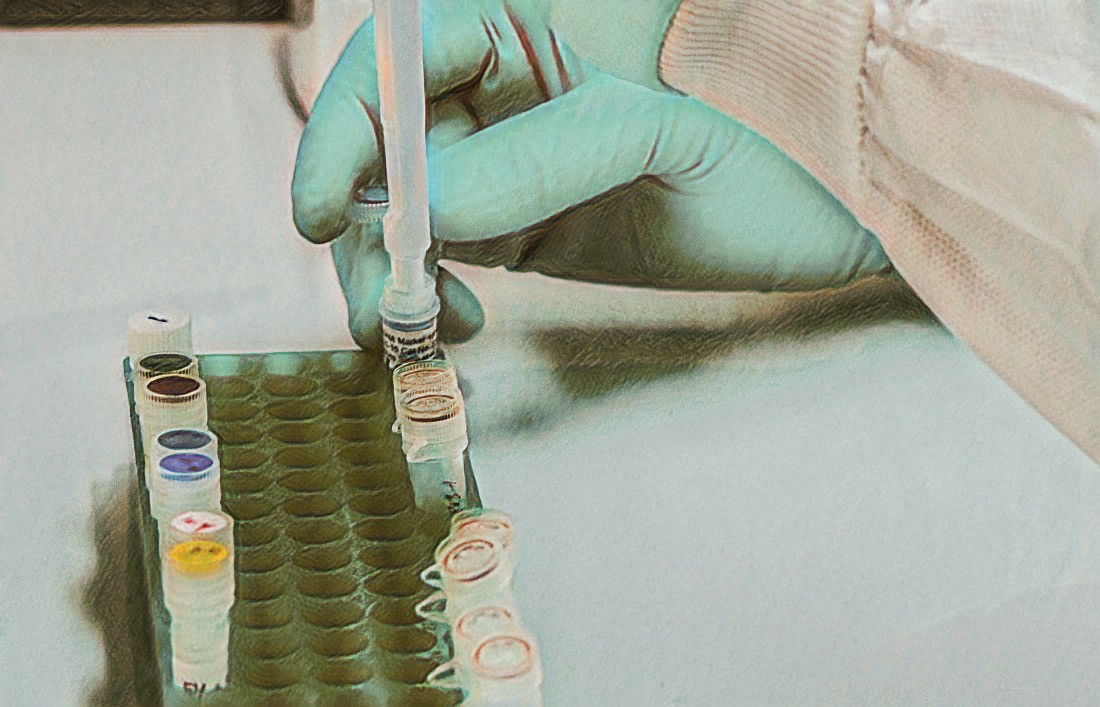
Most psychoactive drugs might not include any animal product, but they are still being tested on animals for scientific purposes.
There are various animal experiments in which they test LSD and its cognitive effects. These studies often include laboratory animals such as mice, rats, and zebrafish.
Interestingly, experiments with LSD are not limited to traditional animal models. In the past, LSD has been given to cats, dolphins, elephants, and even spiders. However, these mammalian animals were not traditionally used in clinical drug research; therefore, many of these experiments caused stress, pain, and severe damage to them.
Tusko, the LSD Elephant
The story of Tusko, a 14-year-old Indian elephant, illustrates how psychedelic research can be cruel to animals. The story did influence many people back in the day. In the 60s, scientists wanted to research LSD and decided on an elephant as a behavior model. However, they did not carefully consider the dosage of the drug; therefore, they caused the animal’s death. What happened to Tusko, the elephant’s name is a tragedy in psychedelic research.
Vegan Buying Power and LSD

When it comes to veganism, some individuals are more rigorous about the ethical consumption of animals. This includes using cruel-free shampoos, beauty products, and so on. From this perspective, the proper decision depends on the user’s subjective judgment on whether using psychoactive drugs like LSD is ethical for vegans/vegetarians or not.
In contrast to shampoos and beauty products, in the absence of a legally regulated market for LSD, vegan drug enthusiasts cannot use their buying power to contribute to developing a more vegan-friendly research environment in psychedelics. The vegan community may conclude that by taking LSD, they increase public awareness and positive feedback that might lead to more animal testing in the future for medical applications.
Religious Diet Restrictions and LSD (Halal and Kosher)

What we consume, how we live, and our religion plays an ethical role. The discussion about ethics may also include religious diet restrictions, such as Halal and Kosher.
Is LSD Halal? Are Muslims Allowed to Take LSD?

A halal diet means eating and drinking under Islamic laws and rules. Some meat and dairy products might not be halal due to their preparation and ingredients. Principally, pork meat, alcohol, and narcotics are non-Halal in Islam.
Generally speaking, except for several mentions of the Sufi tradition, Islam prohibits the use of drugs and alcohol. It seems that LSD would not be appropriate for those who follow Halal restrictions.
Is LSD Kosher? Are Jews Allowed to Take LSD?
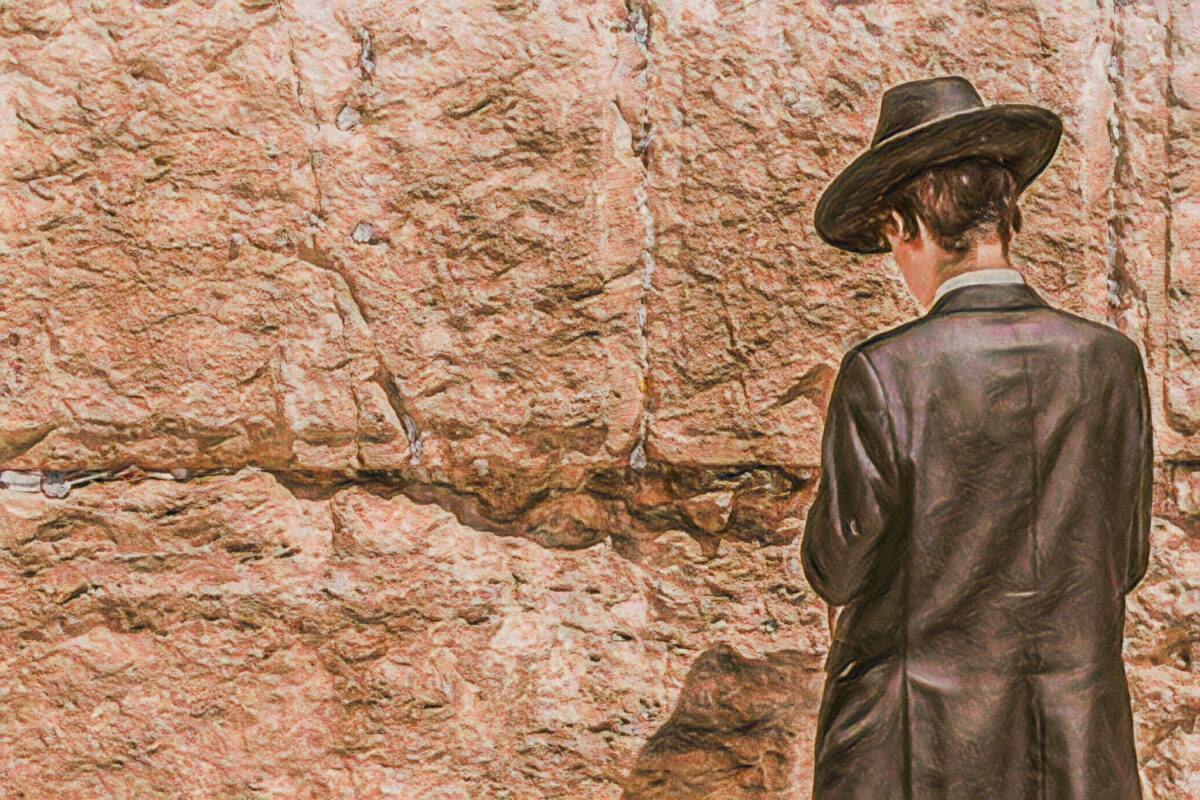
A kosher diet means following the dietary standards formed by Jewish laws. There are a lot of guidelines for a food to be considered Kosher, and some foods are strictly forbidden. How the food is produced, where and how it is grown, processed, and consumed is also crucial for people who follow a Kosher diet.
The consumption of alcohol, especially wine, is part of Jewish tradition. In addition, as far as we know, Jews also have a history with other psychoactive substances.
As a general rule, most orthodox communities will be against taking LSD for recreational reasons based on the self-preservation principle based on “guard yourselves very well” (Deuteronomy 3:23-7:11).
There is a term in Judaism called “Pikuach Nefesh” (“watching over a soul”), which means that a Jew can break almost any law except for three specific laws if there is a life risk. These three laws do not prohibit taking psychedelics as medicine. Therefore, the religious Jewish community will likely embrace LSD as a valuable medication if it becomes part of mainstream medicine in the future and shows exceptional results.
There are many discussions on Reddit regarding morality and how people feel about taking psychedelics in a religious dietary context.
The Impact of Psychedelics on the Environment and Veganism
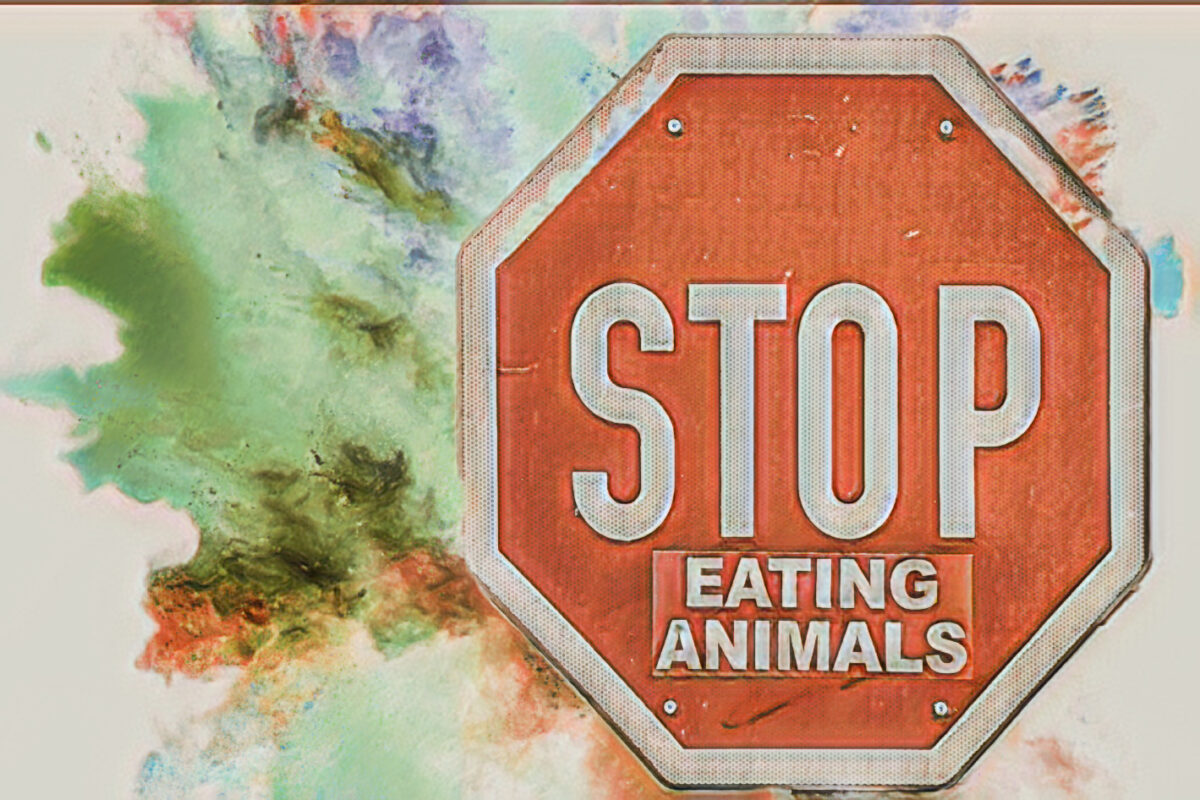
People who use psychedelics tend to be more aware of the environment and more sensitive to animals and plants.
In 2017, population research on the relationship between experiences with psychedelics and environmental awareness was done by two scientists, Matthias Forstmann and Christina Sagioglu. They measured if the experience with psychedelics impacts their relationships with nature connectedness. As a result, they found people who had an experience with classical psychedelics tended to show more environmentally-friendly behaviors, such as recycling, buying cruelty-free products, and feeling a more profound connection to nature.
During the psychedelic era, when LSD was legal, there was an enormous focus and care for the environment, and many psychedelic users were shifting to plant-based diets. The counterculture movement played an important role in popularizing vegetarianism. Many communes that formed during the counterculture had adopted plant-based eating habits. They attempted to make eco-friendly food, such as tofu and soy products. One of the communities even published a book named The Farm Vegetarian Cookbook in 1975; thus, it was the first plant-based cookbook available in the United States. As a part of the psychedelic movement, these eco-communities might have helped to expand vegetarianism in society.
Many public figures promoted vegetarianism during the era as well. Richard Alpert (Ram Dass) published Be Here Now in 1971, where he got people’s attention to mindful eating and vegetarianism; one figure he influenced was author Sara Davidson.
Can LSD Convince You to Become a Vegan?
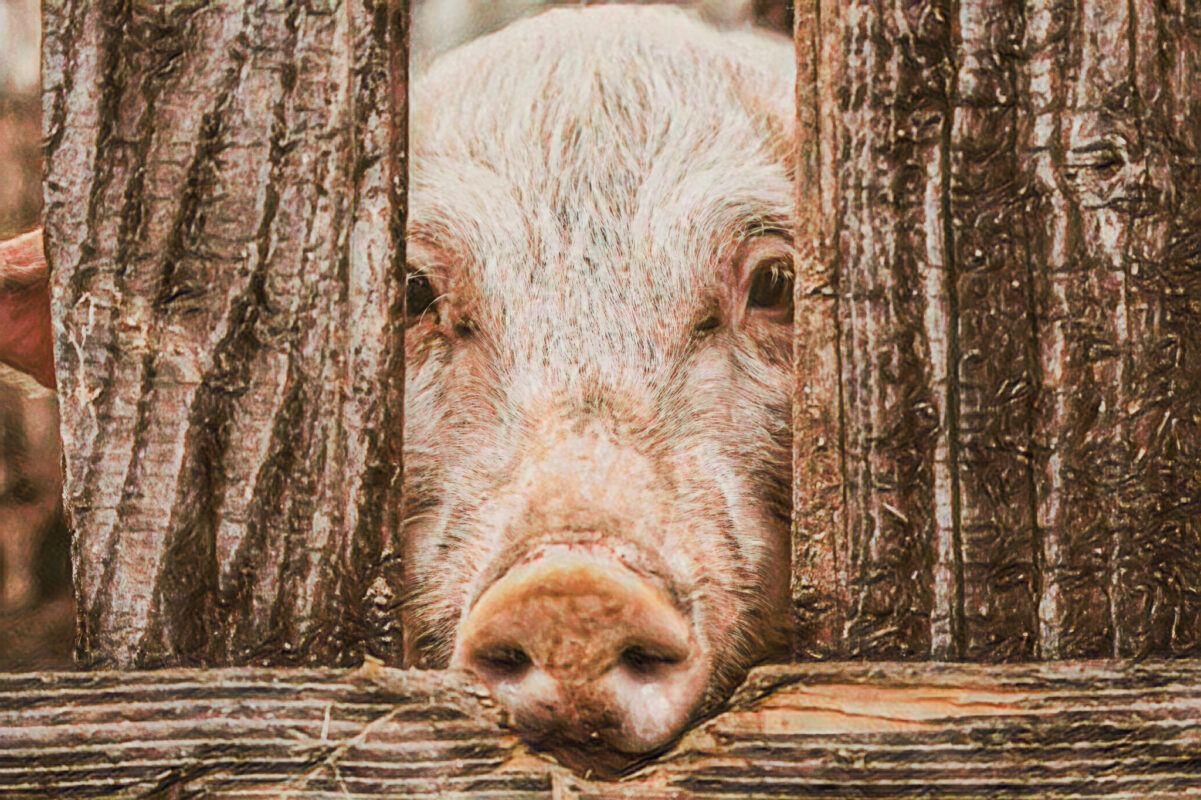
Based on the research above, psychedelics can positively influence individuals’ awareness and empathy towards nature, the environment, and their respect for animals. Modern psychedelic culture seems to have a strong vegetarian and vegan presence to this day, although there is no real data to back this claim.
Psychedelics are often mentioned in online forums as one of the factors that led people to switch to plant-based and more conscious lifestyles.
There are also personal stories of diet transformation due to psychedelics. The writer Sam Woolfe wrote about his story of becoming a vegan. A while after receiving two sessions with psilocybin, he witnesses a video of a factory firming and feels a deep empathy towards the animals. He explains the moment as follows:
“I had seen factory farming footage before, but it never hit home like this. What was different this time was me. I was in a highly sensitized state and confronted with the reality of animal production. With the help of a little guidance, I was connected to my feelings.”
Similarly, martial artist Rashad Evans says a psychedelic trip with mushrooms convinced him to follow a plant-based diet.
Summary: Can Vegans Use LSD?
The absence of animal ingredients in LSD makes it suitable for vegan diets.
However, it is essential to note that modern scientific research relating to this drug involves animal testing during clinical trials. As a result, the ethical consideration of LSD for vegans is subjective and can be argued.
While most vegans and vegetarians are against animal testing, it is crucial to note that some will still support it if it leads to significant medical research that could one day save or dramatically improve people’s lives in the future.
Due to the increasing attention given to psychedelic substances, we can expect that the public will become more aware of their ethical, environmental, and dietarian implications.
Because psychedelics like LSD affect the relationship between men and nature, it may become increasingly important for people to ensure their “spiritual practices” or tools used for therapy are cruelty-free and reflect their beliefs and way of life.
